New Year’s Eve celebrations were on course to be a largely calm affair in Beijing. Yet while thousands of worshippers visited the Yonghe Temple to light incense sticks and pray for good fortune, Chinese officialdom seemed determined to set off fireworks elsewhere.
A senior figure from the state-backed Commercial Aircraft Corporation of China (Comac) was dispatched with orders to talk up the regime’s grand plans to conquer the world of aviation with its first homegrown passenger plane. The ploy was intended to send a resounding message to the West.
With the heavily subsidised C919 firmly established on domestic routes flown by China’s three big state-owned carriers: Air China, China Eastern Airlines and China Southern Airlines, Comac laid down the gauntlet to Western rivals with an announcement that it had quietly opened offices abroad.
The next step would be to seek overseas certification to enable the aircraft to fly well beyond the country’s shores as Beijing steps up its plot to break Airbus and Boeing’s iron grip on the global commercial jet market. The company hopes to gain approval from European regulators as early as this year, Yang Yang, a Comac marketing executive, told Shanghai government-affiliated news site Jiemian.
The prospect of a Chinese-built plane smashing an Airbus-Boeing duopoly that has existed for decades is regarded with strong scepticism by many leading industry experts. Described in less questioning quarters as a potential “Boeing-killer”, Brendan Sobie, an industry consultant, says: “The C919 is not going to kill anyone.”
Yet despite widespread doubts about China’s aviation prowess, Beijing’s ambitions stretch further still as it seeks to one day produce a plane that has been assembled without any Western components.
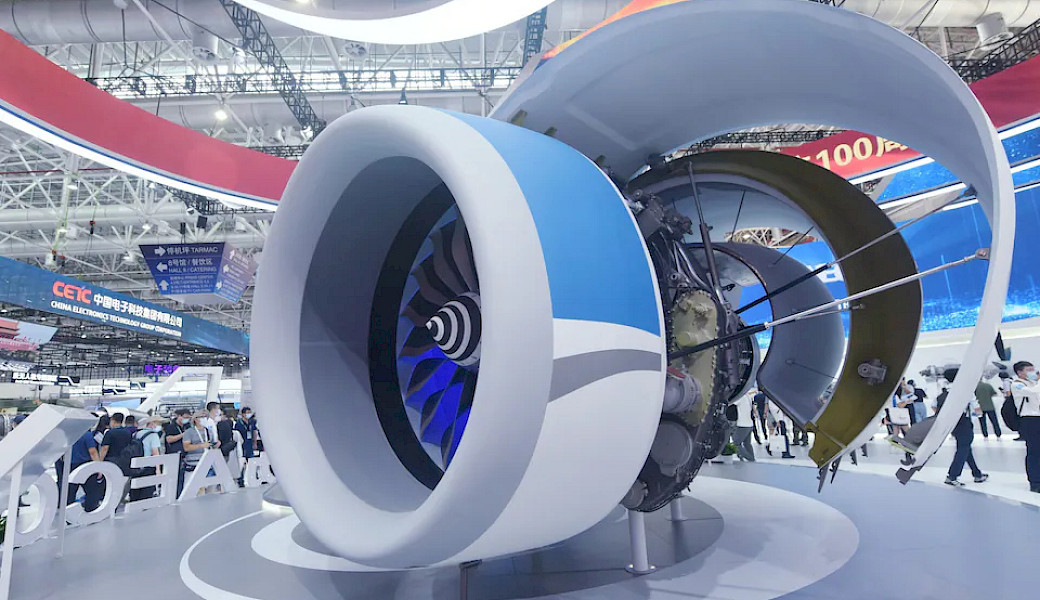
With the C919 a familiar sight in the skies above mainland China, Comac’s engineers have begun work on an even more grandiose project: the country’s first indigenous commercial jet engine.